Business Waste Removal in Forest Gate

Business waste removal in Forest Gate needs a tidy, dependable approach that keeps premises clear without making disposal feel complicated. We handle a practical mix of commercial waste streams, from general office rubbish and packaging to furniture, appliances and other bulky items that are no longer wanted. The aim is straightforward: remove unwanted material carefully, sort it sensibly and leave the space ready for normal use again.
For many firms, the most useful service is one that fits around day-to-day work rather than interrupting it. That can mean clearing a single room, collecting accumulated stockroom waste or taking away items left after an internal move. Our business waste removal service is designed for that kind of flexible, on-site clearance, with the focus on practical collection and responsible handling rather than unnecessary disruption.
If you need a clear starting point, take a look at our pricing and quotes information and then request a quotation when you are ready.
Commercial waste collections for working premises
Every workplace produces different waste, so the service has to be broad enough to cope with routine and occasional clearances. Offices often need removal of old desks, chairs, filing units and mixed rubbish after refurbishment or reorganisation. Shops and storage rooms may need removal of packaging, broken fixtures or obsolete stock. We plan collections around those practical demands so the process stays organised and the waste is lifted away efficiently.
Where the load includes items that need separate treatment, sorting matters. Reusable or recyclable materials should not be mixed thoughtlessly with general waste, and larger objects can require careful dismantling before removal. We can manage that sort of preparation on site when needed, which helps reduce handling issues and keeps the clearance more orderly. For some customers, that may also make it easier to keep their premises open while work is carried out nearby.
What can be removed from business premises
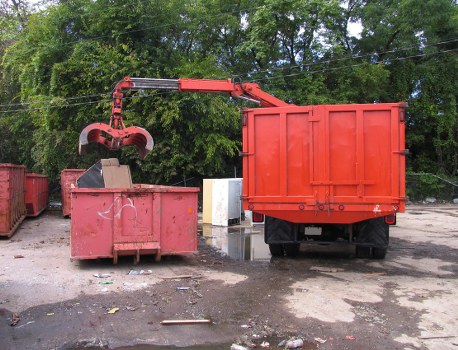
Our business waste removal work can cover a wide range of items, provided they are suitable for legal disposal and safe handling. That includes general office clutter, broken furniture, shelves, reception fittings, appliances, cardboard, bagged waste and mixed bulky items from workspaces, back rooms and storage areas. If you are unsure whether something belongs in a commercial collection, it is usually better to ask before setting it aside with the rest.
Some loads are straightforward, while others need a bit more thought because of their size, weight or material type. Heavy cabinets, awkward furniture and appliance units can often be removed only after a sensible check of access and safe lifting arrangements. In practical terms, that means the service is often as much about how items are removed as it is about what goes. We aim to keep the clearance controlled from start to finish.
Useful things to have ready when arranging collection include:
- A short description of the items or waste types to be removed.
- Any access details that may affect loading, such as steps or narrow corridors.
- Whether the waste is in one place or spread across several rooms.
- Any items that must stay behind and be handled separately.
Office waste and workspace clearances
Office clearances often involve more than simply carrying items out. Desks, pedestal units, chairs, monitors, shelving and storage boxes may all need different handling, especially if a room is being repurposed or emptied in stages. We can help with one-off office waste removal where the goal is to reclaim usable floor space, as well as smaller collections where only a few awkward items need to be taken away.
Where a workplace is still active, the best approach is usually a measured one. Collections can be organised so the items most in the way are removed first, while less urgent material is left until later in the visit. That makes it easier to keep walkways open and working areas safer. If cabinets or fittings need to be broken down before removal, we can factor that into the planning rather than leaving it to chance.
Furniture, fixtures and bulky item removal

Many business waste jobs are really furniture jobs in disguise. Old meeting tables, office chairs, filing cupboards, counters and shelving can dominate a room long after they have stopped being useful. Our furniture removal service is intended to deal with these larger pieces in a way that suits the premises, whether they are being replaced, moved out during a refit or simply no longer needed. The emphasis is on safe lifting and sensible sorting.
Some items can be carried away directly, while others need to be assessed for dismantling or for awkward pathways such as stairs, narrow doors or shared entrances. That is why the collection method matters as much as the end result. A careful clear-out reduces the risk of damage to floors, walls and fixtures, and it makes the overall job easier to manage. Bulky waste should not be handled casually when there are heavy or rigid items involved.
Where furniture includes mixed materials, such as wood, metal, foam and fabric, separating the different parts can help with disposal and recycling choices. It also makes the load easier to organise once it leaves the premises. If you are updating several areas at once, we can discuss the collection in stages so the right items are removed in the right order.
Recycling, sorting and responsible disposal
Responsible disposal is part of the service, not an optional extra. Commercial waste often contains material that can be separated before it reaches final disposal, including metals, cardboard, untreated wood and some appliance components. By keeping waste streams clearer, the collection process can support more sensible handling after removal. That is especially useful when a job includes both mixed rubbish and recognisable recyclable items.
Where practical, we separate suitable materials from general waste so that the load is dealt with in a more orderly way. This is not just about appearance; it can also make the clearance easier to manage and less wasteful. Customers often want reassurance that their unwanted items will not simply be bundled together without thought, and a structured approach helps keep the process transparent and practical.
About Forest Gate
Forest Gate is an area in the London Borough of Newham, in east London, best known for its position beside Wanstead Flats and the wider western edge of Epping Forest’s historic landscape rather than for a single dominant landmark. The area grew significantly in the nineteenth century, especially after the arrival of the railway, which helped turn what had been a more rural fringe into a densely settled urban district. Even so, traces of earlier patterns remain in the street layout and in the way long residential roads meet busier routes, creating a varied local grain that reflects successive phases of expansion. Forest Gate station sits on the Great Eastern Main Line, and the wider district is also connected by the Elizabeth line at nearby stations, placing it within a well-used transport corridor across east London. The nearby open spaces of Wanstead Flats form part of Epping Forest and provide a broad, level stretch of grassland with views that contrast sharply with the surrounding built environment. The area includes a mix of Victorian and later housing, local shopping streets and community facilities, with Romford Road acting as an important historic thoroughfare. Forest Gate has also seen change through regeneration and redevelopment, while retaining the layered character associated with long-established inner suburban districts. Its identity is shaped by this combination of transport history, open land on the edge of the city and a street pattern that still shows the effects of successive waves of building.
Clearance for refurbishments, relocations and routine waste
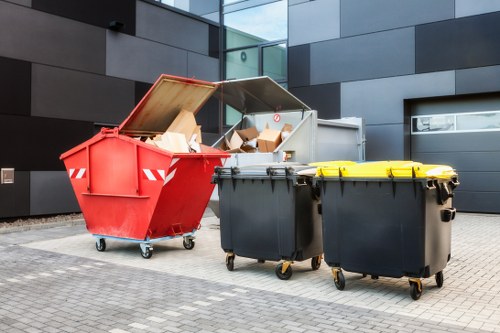
Business waste removal is often needed at turning points: a refurb, a relocation, a change of layout or the end of a trading period when accumulated waste finally has to go. We can help with clearances that remove leftover fixtures, packaging, redundant furniture and other material that has built up over time. The purpose is to restore usable space and make it easier to carry on with the next stage of work.
In some cases the waste is concentrated in one area, such as a stockroom or meeting room. In others it is spread across several parts of the premises. Either way, the collection needs to be organised so the right items are removed without disturbing what must remain. If you are planning a larger change, it is often sensible to list the key items first and then decide which can be removed together and which should be handled separately.
Planning the collection and preparing a quotation
Good preparation keeps the process simple. A basic note of the items to be removed, the number of floors involved and any access limits gives a much clearer picture of the job. If the waste is mixed, it also helps to mention whether there are bulky items, appliances or items that may need to be dismantled. That kind of detail makes it easier to prepare an accurate quotation and reduces the chance of surprises on the day.
Where possible, it also helps if the waste is grouped together so the collection can begin efficiently. That does not mean every item must be sorted in advance, but it is useful if obvious keepers and obvious waste are separated. For premises that remain open during working hours, timing and access can matter as much as the waste itself, so clear instructions about entry points and working areas are valuable.
Business waste removal that suits your premises
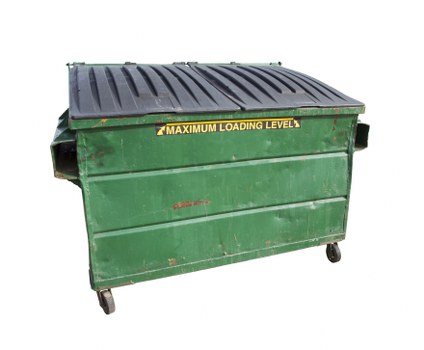
Different premises need different levels of support, and we keep the service practical rather than overcomplicated. Some customers want a single collection of redundant items after a move; others need repeated removal of mixed business waste as stock builds up or rooms are cleared in stages. In each case, the collection should feel orderly, with the waste removed carefully and the premises left easier to use afterwards.
If you are comparing options, it can help to think about the kind of waste involved, the amount of lifting required and how much of the building will be affected. Those factors often matter more than the label on the job. Clear, well-organised removal is usually the best value for businesses that want to keep the process under control and avoid unnecessary delays.
When you are ready to move forward, use the information above to request a quotation and describe the items you need removed. You can also revisit our business waste removal service details if you want to check the core collection scope before you enquire.